Real Weight Loss Results in Grapevine & Southlake, TX – Start Here
Trying harder isn’t the answer.
Eating less isn’t the solution.
Working out more isn’t the fix.
If weight loss hasn’t worked in Grapevine or Southlake, it’s not because you failed—it’s because most systems were never designed for your lifestyle, stress level, or biology.
Real change starts when the approach changes Weight Loss Grapevine/Southlake, TX.
Why Weight Loss Looks Successful Here—But Rarely Lasts
Grapevine and Southlake consistently rank among the most wellness-focused communities in North Texas. Fitness studios are full. Grocery carts are clean. Health spending per household is above the state average.
Yet according to Texas Health Data, over 42% of adults in Tarrant County remain overweight or obese, and relapse rates after weight loss are higher in high-income ZIP codes.
This isn't a coincidence.
Weight Loss Grapevine/Southlake, TX fails most often because:
Stress is constant, not seasonal
Sleep is sacrificed for productivity
Eating “clean” masks poor metabolic timing
Exercise is intense but recovery is ignored
Real example: A Southlake executive trains five mornings a week and eats disciplined meals—but holds stubborn abdominal fat. Blood markers show elevated insulin and cortisol despite calorie control Weight Loss Grapevine/Southlake, TX.
The issue isn’t effort.
It’s how the body responds to chronic pressure.
The North Texas Metabolic Pattern No One Talks About
Weight gain in this region rarely comes from overeating alone.
It comes from:
Long sedentary workdays
Heat-driven reduction in casual movement
Late dinners tied to social or business obligations
Alcohol calories that spike insulin late at night
CDC data shows adults under prolonged stress store up to 30% more visceral fat, even without increasing calories. This explains why people here often look “fit but soft” or lean everywhere except the midsection.
This is why Weight Loss Grapevine/Southlake, TX must address stress metabolism before focusing on restriction.
Why the Scale Stops Making Sense After 35
After age 35, the scale becomes one of the least reliable progress markers.
It cannot tell you:
Whether fat or muscle was lost
Whether inflammation is masking change
Whether cortisol is causing water retention
Real example: A Grapevine parent drops two pant sizes in six weeks but sees minimal scale movement. Traditional programs label this slow Weight Loss Grapevine/Southlake, TX.
In reality, this represents high-quality fat loss with muscle preservation.
More accurate signals include:
Waist reduction
Reduced cravings
Stable afternoon energy
Deeper, uninterrupted sleep
The scale always reacts last.
The Three Weight Loss Profiles Seen Most in Grapevine & Southlake
1. The High-Stress Achiever
Common among executives, parents, and business owners.
Traits:
Early workouts
Skipped meals
Late nights
Problem: Elevated cortisol blocks fat mobilization
Solution: Nervous system regulation before calorie cuts
2. The Hormonal Transition Client
Often post-partum or peri-menopausal.
Traits:
Sudden weight gain
Increased inflammation
Fatigue despite discipline
Problem: Hormone-blind plans
Solution: Protein adequacy, insulin timing, inflammation control
3. The Diet-Exhausted Individual
Tried everything—keto, fasting, low-calorie plans.
Traits:
Initial loss, rapid regain
Low energy
Fear of eating more
Problem: Suppressed metabolic rate
Solution: Rebuilding metabolic capacity before fat loss
Every effective Weight Loss Grapevine/Southlake, TX strategy begins by identifying the profile—not forcing a template.

Why Calorie Deficits Backfire for Busy Adults
Aggressive calorie restriction feels productive—but often stalls fat loss.
Studies show chronic restriction can reduce resting metabolic rate by 10–15% within months. For stressed individuals, this leads to:
Slower fat loss
Increased hunger
Reduced thyroid activity
Real example: A Southlake professional eating 1,200 calories sees no progress. Increasing intake slightly—paired with better timing—restores fat loss within weeks Weight Loss Grapevine/Southlake, TX.
Fat loss requires biological permission, not deprivation.
When “Active” Still Isn’t Enough
One daily workout cannot counteract:
9 hours of sitting
Blood sugar spikes
Poor movement variability
Research shows prolonged sitting increases insulin resistance even in people who exercise consistently.
This is why Weight Loss Grapevine/Southlake, TX improves when:
Micro-movement is built into the day
Meals are timed to flatten glucose swings
Recovery becomes intentional
It’s not about more exercise.
It’s about smarter movement distribution.
Medical Weight Loss: Acceleration, Not a Standalone Fix
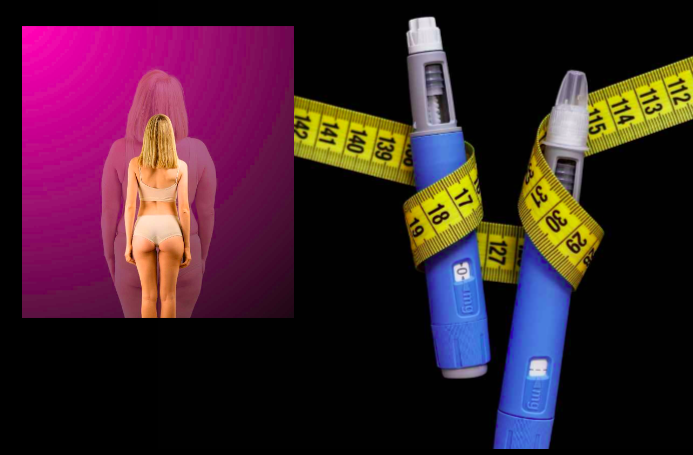
Medications such as Semaglutide Grapevine/Southlake, TX and Wegovy Grapevine/Southlake, TX have transformed appetite control.
They help by:
Reducing food noise
Supporting insulin sensitivity
However, studies show up to 25% of weight lost on medication can be lean muscle without resistance training and nutrition planning.
Real example: A Grapevine resident loses weight rapidly but regains after stopping medication due to muscle loss and unresolved stress eating.
Medication works best when integrated into a structured metabolic plan Weight Loss Grapevine/Southlake, TX.
The Metrics That Predict Long-Term Success
Weekly weigh-ins are poor predictors.
Stronger indicators include:
Waist-to-hip ratio
Hunger stability between meals
Consistent daily energy
Sleep depth and duration
People who track these markers maintain weight loss three times longer than those focused only on the scale.
That’s why sustainable Weight Loss Grapevine/Southlake, TX prioritizes metabolic signals over pounds.
Why Weight Returns After “Successful” Programs
Over 80% of people regain weight within two years.
The cause isn’t lack of discipline—it’s biology.
Most programs:
End abruptly
Ignore hunger hormone rebound
Skip metabolic stabilization
True success requires:
A transition phase
Muscle rebuilding
Long-term behavior integration
Without this, regain is expected Weight Loss Grapevine/Southlake, TX.
What “Start Here” Actually Means
Not dieting harder.
Not extreme restriction.
Not punishment.
It means:
Observing energy patterns
Identifying metabolic blockers
Fixing timing before cutting calories
Creating a system that survives real life
Real example: A Southlake professional pauses dieting for two weeks, focuses on sleep and meal timing, then resumes fat loss with less effort and better results.
This is how real Weight Loss Grapevine/Southlake, TX begins.
Realistic Timelines for Real Results
30s: Faster fat loss, prevention-focused
40s: Muscle preservation is key
50+: Metabolic repair precedes weight loss
Speed is optional.
Sustainability is mandatory.
Final Perspective
If weight loss hasn’t lasted before, the problem was never motivation.
It was misalignment.
For those seeking medically guided, lifestyle-aligned solutions, The Medspa of DFW provides structured programs that prioritize metabolic health, muscle preservation, and long-term success.
When done correctly, approaches like those at The Medspa of DFW support sustainable outcomes rather than short-term wins.
FAQs
1. Why is weight loss harder in Grapevine and Southlake?
High stress, sedentary workdays, late social eating, and cortisol-driven fat storage make traditional plans less effective.
2. How soon should I expect visible results?
Most people notice waist and energy changes within 3–4 weeks before scale weight shifts.
3. Do medications guarantee permanent weight loss?
No. Without muscle preservation and lifestyle recalibration, regain risk remains high.
4. Is rapid weight loss a red flag?
Often yes. Fast loss usually reflects water and muscle loss, not sustainable fat reduction.
5. What’s the biggest mistake people make?
Starting with restriction instead of correcting metabolic stress and timing first.